By: Albert Serrano | Date Added:
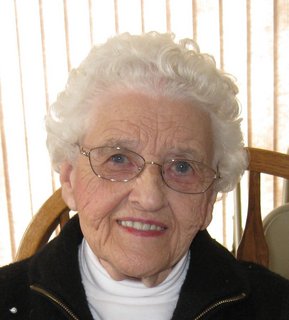
When Evelyn Lundeen began the job that would become her life’s work, neonatology as we know it was barely practiced in the U.S. By the time she died almost 40 years later, Lundeen had not only saved the lives of thousands of premature infants but also helped to elevate the standard of care for preemies everywhere. A century ago, babies born prematurely faced grim odds of survival. Most children were born at home, and many hospitals refused to admit neonates not born in that institution. Even if they did, few American physicians studied or practiced the care of preterm infants. Incubators for newborns were widely regarded as carnival gimmicks rather than practical medical technology. Chicago pediatrician and pediatrics professor Julius Hess, M.D., felt differently. Hess had studied European literature on caring for preemies, which emphasized consistent temperature and isolation from pathogens. He was also friends with Martin County, M.D., a physician and impresario responsible for many sideshow exhibitions of babies in incubators. Inspired, Hess developed his own incubator, the Hess bed, an electrically heated device that looked and worked something like a giant double boiler. A few years later, he also wrote the first American medical text on premature infant care. In 1922, Hess received a sizable gift from the Infants’ Aid Society to establish the Premature Infant Care Station at Sarah Morris Children’s Hospital in Chicago — the first station of its kind in the U.S. Soon after, he hired Evelyn Lundeen, RN, a young nurse who’d graduated from Lutheran Hospital School of Nursing in Moline, Ill. It was the beginning of a three-decade professional partnership. Although Hess was probably America’s leading neonatology expert, writing numerous important books and studies on the subject — some of them in collaboration with Lundeen — he recognized that the actual work of keeping preemies alive was a job for skilled, dedicated nurses. Even today, caring for infants born preterm or with congenital illnesses is a challenge. For Lundeen and the nurses she trained and supervised, it meant stooping over the Hess beds to check on infants who couldn’t be seen through the incubator’s opaque metal walls and whom the nurses were ordered to handle as little as possible. To minimize the risk of infection, the nurses scrubbed like they were going into surgery and wore full masks and gowns for all patient contact. Lundeen died in 1963, eight years after the death of Julius Hess. Caring for premature infants had become Lundeen’s entire life. She lived in the hospital nurses’ dormitory and never married. Toward the end of her life, her own health problems limited her ability to work, but she remained a fixture of the premature nursery. When that nursery was founded, the average survival rate for preemies was only about one in five, but Lundeen and her nurses saved more than 70 percent of their patients. The widespread adoption of the techniques and strategies Hess and Lundeen developed saved countless more lives across the U.S. and around the world, reducing infant mortality rates and expanding the range of medical knowledge about premature infants. SOURCE https://www.workingnurse.com/articles/Evelyn-Lundeen-RN-1900-1963-and-Premature-Infants
Share This Story


Share your thoughts on this story with us. Your comments will not be made public.
Email
Copyright ©2016 - Design By Bureau Blank