
1963 - Today
By: Michael James | Date Added:
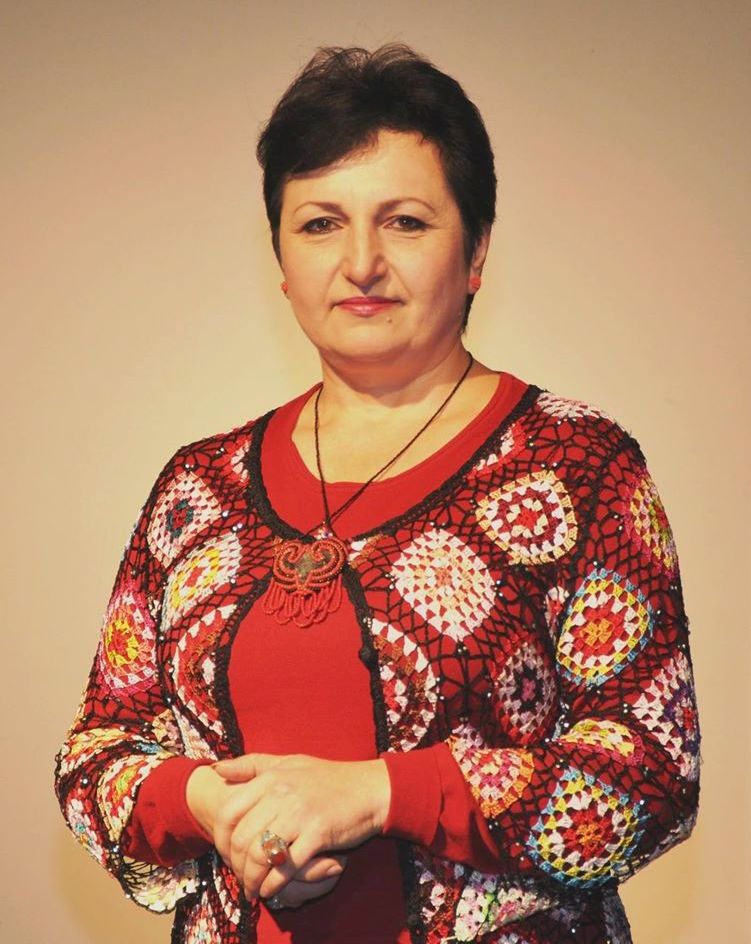
Gullu Yologlu - Chairperson of the World Turkology Center, PhD, Doctor of Historical Sciences has contributed ethnology, folklore studies, literature, history, religious studies and other scientific fields in Azerbaijan by providing rich information, analysis and outcomes with her scholarly and scholarly-publicist articles and books, and her scientific and artistic radio and television programs for more than 20 years. Her main research areas are faiths, traditions, ethnic identities, shamanist past, material and non-material culture of small-numbered Turkic peoples living in countries from the Siberia to the Balkans. Gullu Yologlu Mammadli was born into a family of teachers, in Mesha-oba (Mesha Shambul) village (which is in Balakan district at present) in Zagatala district of Azerbaijan in May 5, 1963, although her origins come from Janalli village of Gazakh district. Her father Yologlu Kamil Gulmammadov who became a history-literature teacher after graduating from Ganja Pedagogical Institute and her mother Nahida Mahmud Bayramova, a physics-math teacher, worked in Zagatala. Finishing school named after Samad Vurgun with excellent marks in Gazakh in 1980, Yologlu enrolled in the Institute of the Russian Language and Literature named after Mirza Fatali Akhundov (at present Baku Slavic University by passing exams successfully in the same year and graduated in 1985. She interned at Astrakhan Pedagogical State University (Russia) during 1983-1984. Gullu Yologlu would constantly visit Moldova and conduct research on the Moldovan-Romanians and Gagauz Turks starting from her undergraduate years. She described Azerbaijani-Gagauz literary ties in the second chapter of her graduation paper on Azerbaijan-Moldova literary relations. The second chapter of Yologlu’s thesis which she defended in 1992 titled “Azerbaijan-Moldova literary relations” in which she had developed her research on the Gagauz people. She is the author of 6 books and 123 printed scholarly publications. She defended her doctoral dissertation titled “Ceremonies of Turkic Peoples (historical-ethnographic study on the basis of Tuva, Khakas and Gagauz Turks’ materials)” in 2006. She is a member of Scientific Council of the Ahi Evran University (Kirshehir, Turkey). Gullu Yologlu has been member of the Journalists’ Union of Azerbaijan since 1992 and Writer’s Union of Azerbaijan since 1996. In 1998, she was elected as an associate member of the Ataturk Cultural Center in Ankara, Turkey. Ankara, Suleyman Demirel, the then President of Turkey, presented a diploma to Yologlu in the conference hall of TIKA (Turkish Cooperation and Coordination Agency). She is a lead researcher at the Institute of Archeology and Ethnography at the Azerbaijan National Academy of sciences (ANAS) and member of the Dissertation Council. Gullu Yologlu has presented and authored several radio and television programs. She has been author and presenter of ("Our ancestry and roots") and ("Dada Gorgud-1300") rubrics at musical informational program ("Morning"), also ("The Light of Millennia") and (“Gopuz) TV programs and (Great Steppe), ("Our ancestry and roots"), ("Motherland") radio programs at the Azerbaijan Television and Radio Broadcasting Closed Joint-Stock Company. At present, she is the scriptwriter of ("The Sounds of Ages") and ("Turkic Lands") and, presenter of ("From the Past to the Future") programs. Gullu Yologlu is the Chairperson of the World Turkology Center founded on October 3, 2019 in Baku. Books: 1. The Gagauz People (Qaqauzlar). – Baku, “Azarnashr”, 1996 48 p. It provides detailed information about history, traditions, language, faith and literature of the Gagauz Turks living in Moldova. The book played an important role in helping Azerbaijani readers to know more about Orthodox Christian Gagauz Turks aftermath of the dissolution of the USSR. 2. Gagauz Folklore (Qaqouz folkloru). - Baku, “Yazichi”, 1996, 200 p. In her book “Gagauz Folklore”, Gullu Yologlu has included Gagauz Turks’ folklore materials which she had collected during her visits to Moldova and translated into Azerbaijani with a large introduction. Presented materials describe the Gagauz people’s deportation to southern areas of Moldova from the Balkans during Russian- Ottoman wars and anti-Turkish policies and efforts to separate the people from its roots. 3. Dada Gorgud’s Age (Dədə Qorqud yaşı). - Baku, “Yeni Nashrlar evi”, 1999, 136 p. Scholar's collected articles describe creation and versions of “The Book of Dada Gorgud”, highlight various issues, such as "folklore" that was produced under the Soviet directions, shamans' activities in Siberia and other countries under the shield of Islam and Christianity, also Russification and Christianization policies of the Russian Empire in Siberia, mother's role in mixed marriages, etc.
click hereShare This Story


Share your thoughts on this story with us. Your comments will not be made public.
Email
Copyright ©2016 - Design By Bureau Blank