
1781 - 1862
By:
Alejandro Serrano
|
Date Added:
Edited
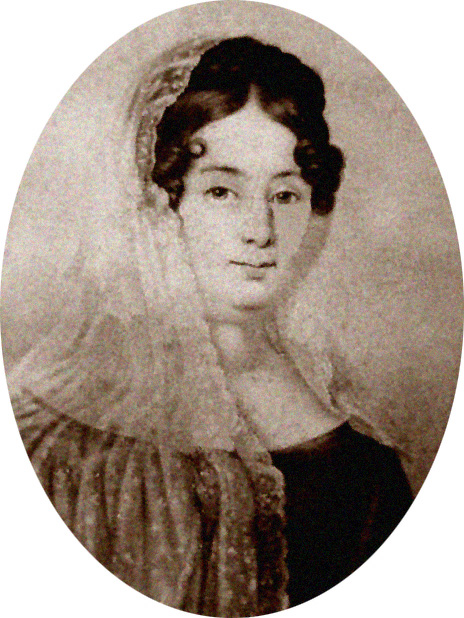
Francisca Xaviera Eudoxia Rudecinda Carmen de los Dolores de la Carrera y Verdugo, better known as Javiera Carrera, was an important leader of the early Chilean struggle for independence. She is credited with having sewn the first national flag of Chile and is considered to be the “Mother of Chile”. Carrera was born on March 1, 1781 in Santiago, the capital and largest city in Chile. She was the oldest child of Ignacio da la Carrera y Cuevas and of Francisca de Paula Verdugo Fernández de Valdivieso y Herrera. She was a member of one of the most aristocratic Chilean families, the Carrera family of Basque origin. From the beginning, Javiera was described as beautiful with a strong character. She married young, in 1796, to Manuel de la Lastra y de la Sotta, with whom she had two children. However, he would die only two years later. Javiera would remarry in 1800 to Spanish aristocrat, Pedro Díaz de Valdés, with whom she had five children. During the time of the Patria Vieja, or Old Republic, Javiera became the firmest supporter of her family in their struggle to achieve an independent Chile. She would support and organize all the social organizations that lent their support to the new promising government. In 1812, she is credited for sewing the first Chilean flag. Javiera would become the visible face and heroine of those early struggles. After the Spanish Reconquista of 1814, she went into exile, along with her brothers whom were either military leaders or political leaders, to Argentina. She lived in the city of Mendoza but was captured and jailed in Luján. She was later imprisoned in a convent in Buenos Aires. She managed to escape and later took refuge in a Brazilian ship that was bound for the city of Montevideo located in Uruguay. Once she arrived at her destination, she found out that her brothers had been executed. She didn’t return to Chile until 1824, ten years after the Spanish Reconquista of 1814. Once in Chile, she dedicated all she had to having her brothers’ bodies, whom were buried in Mendoza, Argentina, repatriated. President Francisco Antonio Pinto did so in 1828. She lived the rest of her life quietly and out of the public eye, until she died in 1862. She is remembered as one of the great leaders to the struggle for independence from Spain in Chile.
click hereShare This Story


Share your thoughts on this story with us. Your comments will not be made public.
Email
Copyright ©2016 - Design By Bureau Blank