1755 - 1795
By: Kam Singh | Date Added:
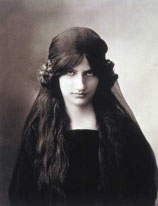
Marianne Ehrmann, born Marianne Brentano-Corti on November 25, 1755, in Rapperswil, Switzerland, came from an intellectual and artistic background. Her early life was marked by the influence of her father, Johann Melchior Brentano, a writer, and her mother, Magdalena Corti, a member of a prominent Swiss family. Ehrmann was a prominent individual in the literary and journalistic world in German countries during the late 18th century. She emerged as one of the first women novelists, publicists, and journalists in her region, breaking through significant societal barriers for women of her time. Ehrmann's literary career began under challenging circumstances. She faced personal hardships, including a tumultuous first marriage and financial difficulties. Despite these obstacles, she maintained a relentless drive to write and express her thoughts. Her work often focused on the rights and roles of women, reflecting her commitment to gender equality and her own experiences. In 1784, she married for a second time to Theophil Friedrich Ehrmann, a lawyer who supported her literary ambitions. This relatioinship allowed Marianne to flourish as a writer. She adopted the pseudonym "Madame Sternheim" for some of her publications, which became well-known and respected. Ehrmann's novels and essays often addressed social issues, particularly the education and independence of women, and she was a strong advocate for the intellectual and moral development of women. One of her significant achievements was the publication of the magazine "Amaliens Erholungsstunden" (Amalia’s Leisure Hours) in 1790. Amaliens Erholungsstunden was a self-published monthly magazine by Marianne Ehrmann under her own name. She sent advance notices to acquaintances, friends and potential patrons to distribute, and the first six editions resulted in an increase of subscribers. The magazine was very successful and was aimed primarily at women. It covered a variety of topics including literature, moral instruction, and practical advice, and it provided a platform for Marianne to express her progressive views on women's education and rights. Ehrmann's work extended beyond fiction and essays; she also ventured into journalism, making her one of the first female publicists in the German-speaking world. Her contributions were instrumental in opening up the literary field for future generations of women writers and journalists. Marianne Ehrmann passed away on August 14, 1795, at the age of 39 years from pneumonia, but her legacy as one of the first women novelists and journalist for women in literature and journalism endure. Her writings continue to be studied for their historical significance and she was regarded by contemporary people as a philosopher of the Age of Enlightenment.
click hereShare This Story


Share your thoughts on this story with us. Your comments will not be made public.
Email
Copyright ©2016 - Design By Bureau Blank