
1924 - Today
By: Kam Singh | Date Added:
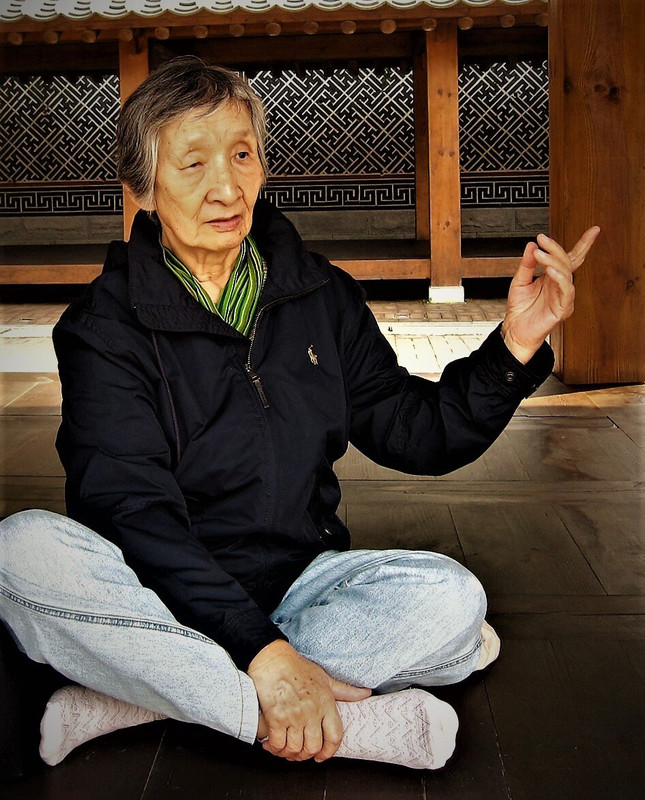
Born in 1924, Lee Hyo Jae rose to prominence as a South Korean activist and pioneer of women's studies. Ms. Lee graduated with a master's degree in sociology from Columbia University. She established the first sociology department at Ehwa Woman's University upon her return to Korea in 1957, and it later developed into the first graduate-level program in women's studies. Many of Lee's pupils went on to become influential feminists and hold important roles in liberal administrations. This aims to demonstrate her influence on South Korean society. She is renowned for her fervent support of the rights of "comfort women," who were coerced into prostitution by the Japanese military in the midst of World War II. Her activities sparked demands that Japan provide women with monetary compensation. Following decades of denial, the Japanese government finally admitted to its involvement and came to an agreement with South Korea in 2015, whereby the Japanese government apologized and agreed to pay $8.3 million to care for the approximately 45 women who were still alive at the time. In 1995, Lee Hyo Jae organized a party of thirty activists, including Gloria Steinem and Leymah Gbowee, to cross the demilitarized zone (DMZ) separating North and South Korea. This was one of her most noteworthy and audacious action that was intended to encourage peace and disarmament between the two belligerent nations. In addition to spearheading numerous other efforts, Lee Hyo-Jae also reexamined South Korea's patriarchal traditions, such as the preference for men as family leaders and the exclusion of women from property succession. As a result of her efforts, the patriarchal naming system in the nation was abolished, and a law allowing people to use two surnames to represent their ancestry from both parents was passed. She was also well-known for her support of female employment quotas and her efforts to promote wage parity for men and women. Ms. Lee also helped establish a rule that required half of the candidates for South Korea's National Assembly to be women. She passionately advocated for justice and equality all of her life. She knew she wanted to challenge social norms in order to fight for righteousness, and so she never allowed marriage to get in the way of her ambitions.
click hereShare This Story


Share your thoughts on this story with us. Your comments will not be made public.
Email
Copyright ©2016 - Design By Bureau Blank