
1937 - 2023
By: Susan-Sojourna Collier | Date Added:
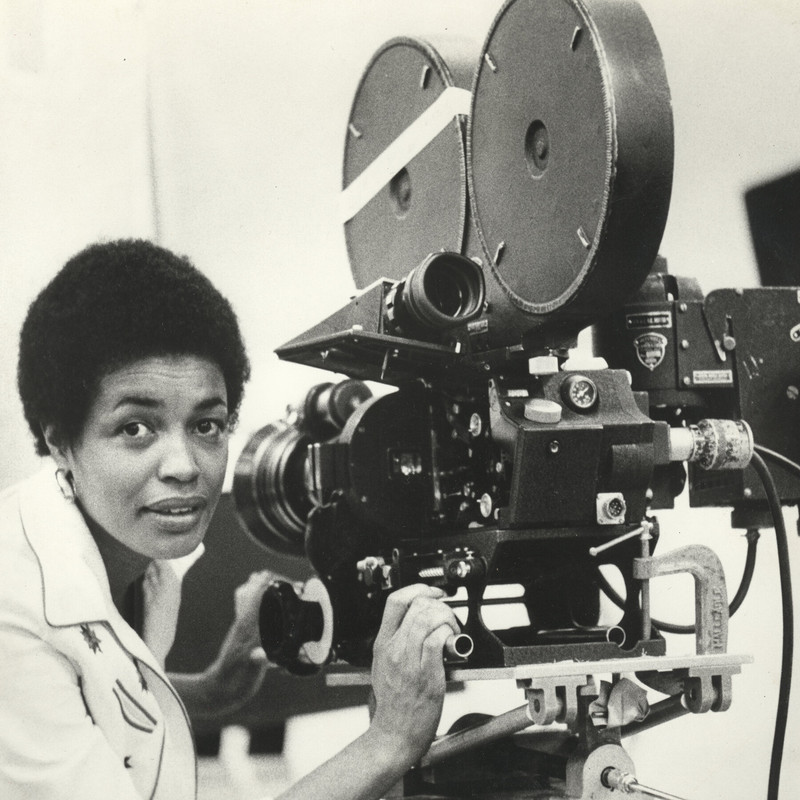
Jessie Maple Patton February 14, 1937 – May 30, 2023 Jessie Maple Patton was a trailblazing figure in American cinema and a beacon of inspiration for civil rights. Jessie's life story is a testament to courage, determination, and the unwavering pursuit of justice and equality. Born in McComb, Mississippi, she grew up as one of eleven siblings in a family marked by hard work and resilience. Despite losing her father at the tender age of 13, Jessie's mother, a dedicated dietician and schoolteacher, instilled in her a love of learning and a fierce determination to succeed. After studying medical technology at the Franklin School of Science and Arts in Philadelphia, Jessie embarked on a remarkable journey into the world of film. In the 1960s and 1970s, she worked tirelessly as the head of a bacteriology and serology laboratory in both Philadelphia and New York. But it was her passion for storytelling that ultimately led her to pursue a career in cinema. Jessie’s path to success was not without its challenges. As an African American woman in a predominantly white and male-dominated industry, she faced countless obstacles and systemic discrimination. But Jessie refused to be deterred. With determination and resilience, she sought out opportunities to learn and grow, ultimately earning film training through Ossie Davis's Third World Cinema and the National Education Television Training School in New York City. In 1973, after a prolonged legal battle, Jessie achieved a historic milestone, becoming the first African American woman admitted to the New York camera operators union. Her groundbreaking achievements were chronicled in her self-published autobiography, "How to Become a Union Camerawoman" (1976), where she detailed her struggles and triumphs in breaking down barriers and paving the way for future generations of filmmakers. Her impact on the film industry was profound. Her directorial debut, "Will" (1981), was a landmark achievement, making her one of the first African American women to helm a feature-length dramatic film. The film, which explored themes of addiction and redemption, garnered critical acclaim and solidified Jessie's reputation as a visionary filmmaker. But Jessie’s contributions to cinema extended far beyond her directorial work. Alongside her husband, Leroy Patton, she co-founded LJ Films Productions in 1974, producing short documentaries that shed light on important social issues and gave voice to marginalized communities. In 1982, Jessie and her husband, Leroy, opened the 20 West Theater, Home of Black Cinema, in their Harlem brownstone home, providing a platform for independent filmmakers, particularly African Americans, to showcase their work. Her dedication to promoting diversity and inclusion in the film industry was unwavering, and her legacy continues to inspire filmmakers and activists alike. The Black Film Center & Archive at Indiana University holds the papers and films of Jessie Maple in the Jessie Maple Collection, 1971–1992, preserving her groundbreaking work for future generations. Jessie Maple Patton is a source of immense inspiration to me because of her unwavering determination and resilience in the face of systemic barriers and discrimination, which resonates deeply with my own struggles and aspirations in the industry. Despite the challenges she faced, Jessie fearlessly pursued her passion for storytelling and broke down countless barriers, paving the way for future generations of filmmakers like myself. Her legacy of courage, creativity, and advocacy continues to inspire me to push boundaries, tell authentic stories, and fight for representation and diversity in the world of television and film.
click hereShare This Story


Share your thoughts on this story with us. Your comments will not be made public.
Email
Copyright ©2016 - Design By Bureau Blank